
At 3:30 a.m. in a dark Los Angeles parking lot, the gym light was already on.
Alan Stein Jr., a performance coach invited to work the first-ever Kobe Bryant Skills Academy, had come early — early enough, he thought, to impress the best player in the world.
Instead, when he pushed open the side door, Kobe Bryant was already drenched in sweat, finishing a warm-up before his 4:00 a.m. workout officially began.
For the next 45 minutes, Stein watched in disbelief. Kobe didn’t run through some secret set of advanced moves. He drilled the most basic footwork and offensive skills — exactly the kind of drills Stein routinely gave middle-school athletes.
Later that day, Stein finally asked the question we’re all thinking:
“You’re the best player in the world. Why were you doing such basic drills?”
Kobe smiled, winked, and said the line that would change Stein’s career — and should probably change how we run our organizations:
“Why do you think I’m the best player in the world?
Because I never get bored with the basics.”
That single idea is at the heart of world-class performance in sport and in business. And it’s exactly where process-driven platforms like Way We Do come in: making sure the basics aren’t just known, but embedded into everyday work.
Complexity Undermines Execution
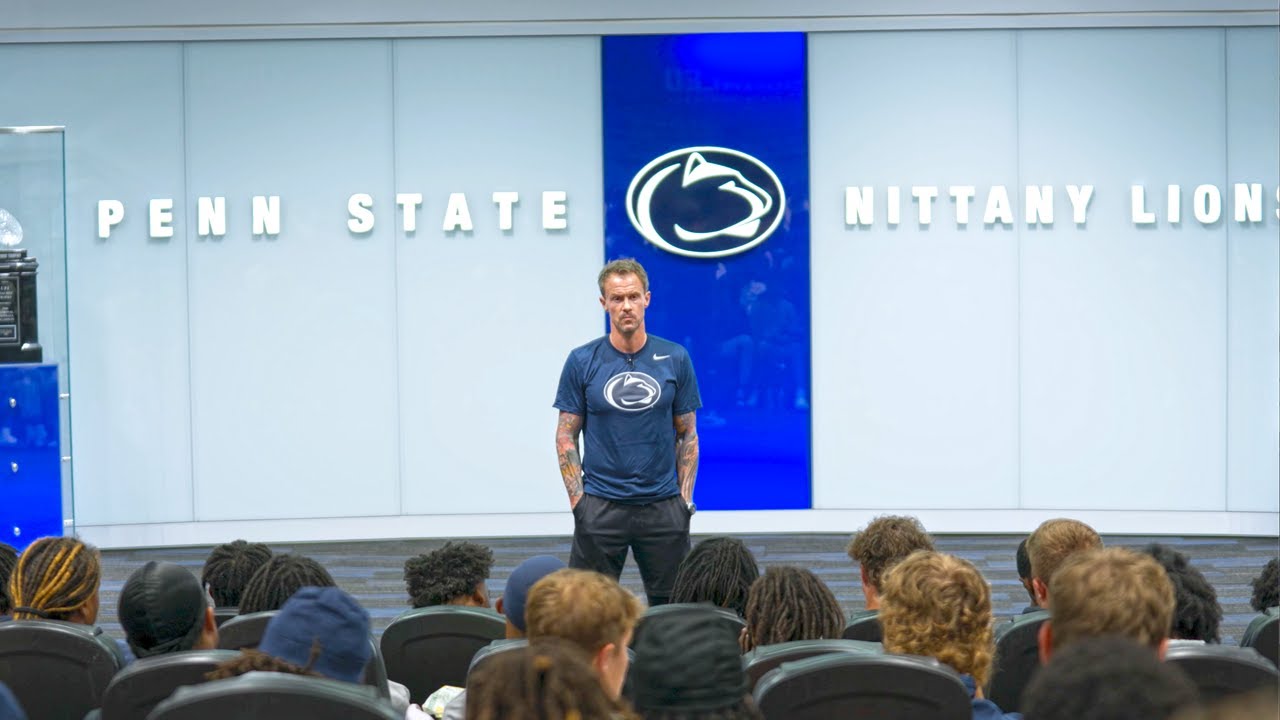
Speaking to more than 2,000 business owners and professionals from 76 countries at a recent BNI Global Convention in Sydney, Australia, Stein shared a message that cut through the noise of business buzzwords and management fads:
“Complexity undermines execution.
The basics work. They always have and they always will.”
We live in a culture that glamorizes shortcuts, hacks and “the next big thing.” But in Stein’s experience — from NBA locker rooms to global brands like American Express, Pepsi and Starbucks – long-term success looks a lot less like disruption and a lot more like disciplined repetition of simple things done well.
That’s a confronting idea for many organizations.
Most businesses don’t fail because no one knows what to do.
They struggle because:
- The basics aren’t clearly defined
- The basics aren’t written down
- The basics aren’t shared consistently
- And the basics aren’t executed reliably
Which is where process management stops being a “nice-to-have policy manual” and becomes the backbone of performance.
From Leadership Philosophy to Daily Operating System
Stein’s message focused on three big leadership themes:
- Perspective – “It’s not about me, it’s about you.”
Shift from what you want from people to what you want for them. - Core Values – Use your values as a decision filter.
Ask: “Is this in alignment with what we say we believe?” - Purpose – Don’t confuse function with purpose.
DHL might move “brown boxes” (function), but they “deliver promises” (purpose).
These sound like leadership philosophy — and they are. But they only create real change when they’re translated into concrete, repeatable behaviors.
That’s the bridge most organizations are missing: a way to take “this is what we believe” and turn it into “this is exactly how we work.”
The Process Gap Inside Most Organizations
Stein challenged leaders to look at their own habits:
- What fills your bucket (what energizes you)?
- How do you actually spend the first and last hour of your day?
The gap between those two lists is your performance gap — the difference between what you know you should do and what you actually do.
Organizations have a similar gap:
- On one side: values, standards, goals, “how we do things here”
- On the other: the messy reality of how work actually gets done
In many businesses, essential processes live in a mix of:
- People’s heads
- Old documents no one opens
- “How we’ve always done it”
- Slack threads and email chains
That’s not a recipe for excellence. It’s a recipe for inconsistency.
To close that gap, you don’t just need inspiration.
You need process.
How Way We Do Helps Teams “Never Get Bored With the Basics”
If Stein’s message is the mindset, Way We Do is the mechanism that helps organizations implement it.
Here’s how:
1. Turning the Basics Into Live, Actionable Workflows
Kobe’s drills weren’t theoretical. They were specific, repeatable tasks.
Way We Do does the same for business:
- Policies, processes, and procedures are documented clearly
- Then activated as checklists and workflows people actually use
- Each step is assigned to a role, not just a person
- Team members tick off tasks, add evidence and escalate issues
Instead of “we should do X,” teams see:
“Step 1: Do this.
Step 2: Check that.
Step 3: Record this evidence here.”
It’s the operational equivalent of practicing layups every day, not just talking about scoring.
2. Building Role Clarity Into the System
Stein called role clarity the foundation of championship culture:
“Everyone needs to know their role, embrace their role, and star in their role. And everyone else needs to value those roles.”
In Way We Do:
- Processes are mapped step by step
- Each step is assigned to a specific role (e.g., Manager, Administrator, Technician, Quality Checker)
- New team members can see exactly what’s expected of their role in each process
No more guessing. No more “I thought that was someone else’s job.”
Role clarity isn’t a slide in a presentation — it’s built into how work flows.
3. Making Accountability a Gift, Not a Confrontation
Stein reframed accountability as something you do for people, not to them:
“When you hold someone accountable to a high standard of excellence, you’re saying: ‘You’re important to me. This team is important to me.’”
Way We Do supports this in a practical, non-dramatic way:
- Overdue steps and missed actions become visible in dashboards
- Managers can see where people are stuck and offer support
- Trends highlight where a process, not a person, might be the real problem
Accountability isn’t about surprise complaints in performance reviews.
It becomes an everyday, transparent part of how the organization runs.
4. Connecting Process Back to Purpose
Remember DHL’s slogan: “We deliver brown boxes” (function) vs. “We deliver promises” (purpose).
In Way We Do, organizations can:
- Add a short “Why this process matters” section to each procedure and the outcomes needed
- Link tasks to quality, safety, customer promises or compliance obligations
- Make it clear that this checklist isn’t just red tape — it’s how we keep our promises
So a pre-delivery inspection isn’t just “fill in the form.”
It’s “make sure this customer’s experience matches the promise we made.”
5. Supporting Continuous Improvement (The Long Game)
Stein encouraged leaders to play the long game with their habits:
“Can you have slightly better habits next year than this year? Slightly better tomorrow than today?”
Way We Do supports that same philosophy:
- Processes can be updated easily as you improve them
- Version control shows what changed, when and why
- Teams can suggest improvements from the front line
- Training, quizzes and reminders reinforce changes
The result: the basics are not frozen. They evolve — deliberately — over time.
Process as Your “Winner’s Mindset”
Stein defined a winner’s mindset as:
“Do the best you can with what you have, wherever you are.”
For organizations, that might sound like:
“Do the best work we can, with the people and tools we have,
by running the best processes we can, every single day.”
That’s what process platforms like Way We Do make possible.
They translate big leadership ideas into small, repeatable actions:
- Be present → Follow the process in front of you
- Focus on the next play → Move to the next step, not the last mistake
- Control the controllables → Execute the tasks you can control
- Focus on the process, not just the scoreboard → Track activity and quality, not just end results
When you do this consistently, the “scoreboard” (revenue, growth, customer satisfaction, audit results) tends to take care of itself.
The Standard You Set Today
Stein finished with one more story.
At that same Kobe Bryant camp, a slightly undersized college player refused to leave the gym until he had swished five free throws in a row. If the fifth shot touched the rim, he started the count again.
That player was Stephen Curry, who would go on to become the greatest shooter the NBA has ever seen.
“It’s not an accident,” Stein said. “It’s the standard he holds himself to.”
In business, your standards don’t just live in your head.
They live in:
- The processes you write (or don’t write)
- The way you embed them into daily work (or don’t)
- The tools you use to make the basics easy to execute (or don’t)
The standard you set today — of clarity, consistency and process — will determine who and where your business is tomorrow.
Bringing It Home: Where Way We Do Fits
If you’re inspired by ideas like Stein’s but find they fade once you’re back in the whirlwind of the day-to-day, ask yourself:
- Have we clearly defined the basics in our business?
- Are they documented in a way people can actually follow?
- Are they connected to roles, values and purpose?
- Are they easy to execute and track?
- Do our systems help us “never get bored with the basics”?
If the honest answer is “not really” or “only sometimes,” that’s exactly where Way We Do can help.
It gives you a practical way to:
- Capture your best practice
- Turn it into live, role-based workflows
- Build role clarity, accountability and communication into the way work actually happens
- And keep improving, one small process at a time
Because in the end, elite performance — on the court or in the boardroom — even with AI in hand — isn’t built on secret tricks.
It’s built on basics.
Executed with care.
Every. Single. Day.